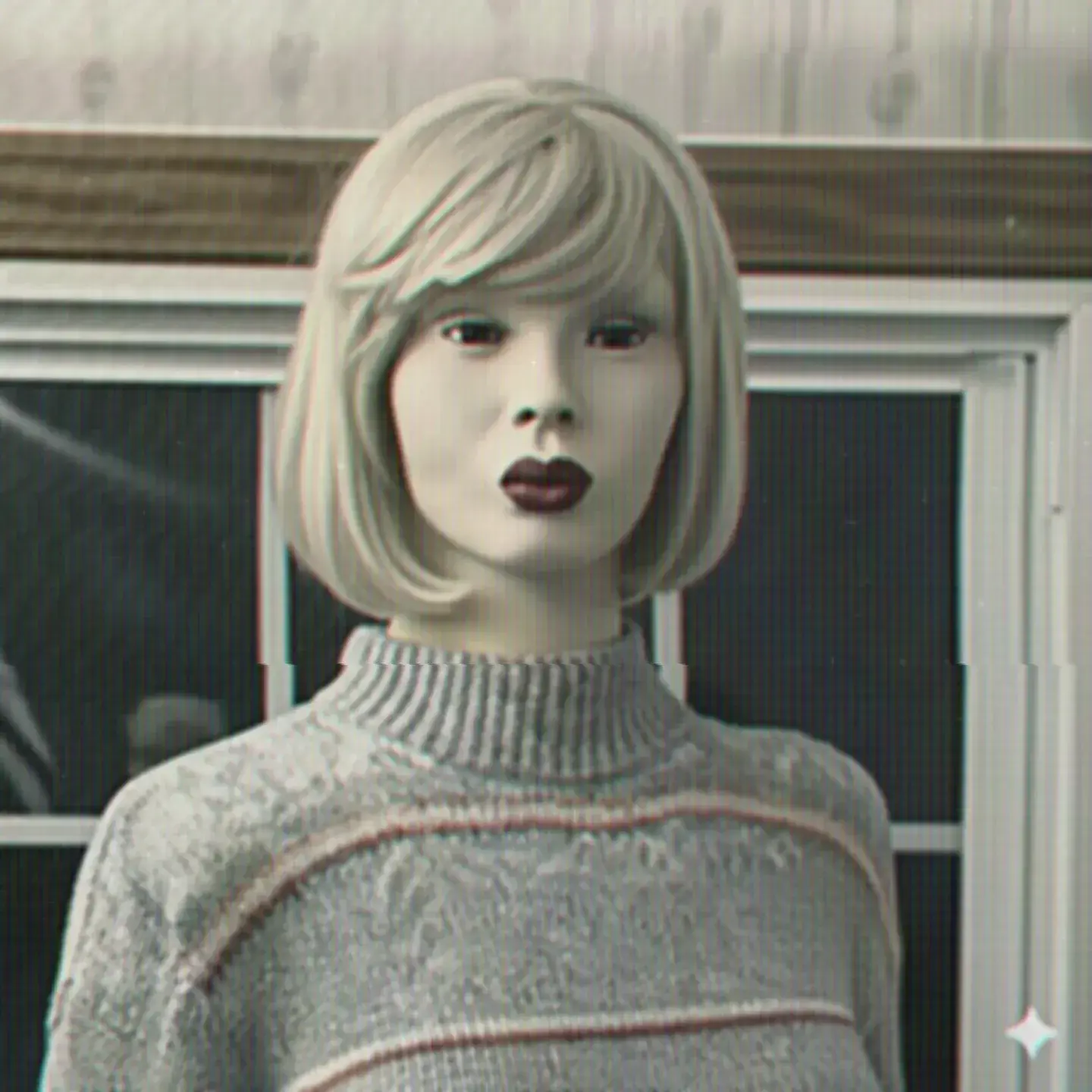
Tara the Android
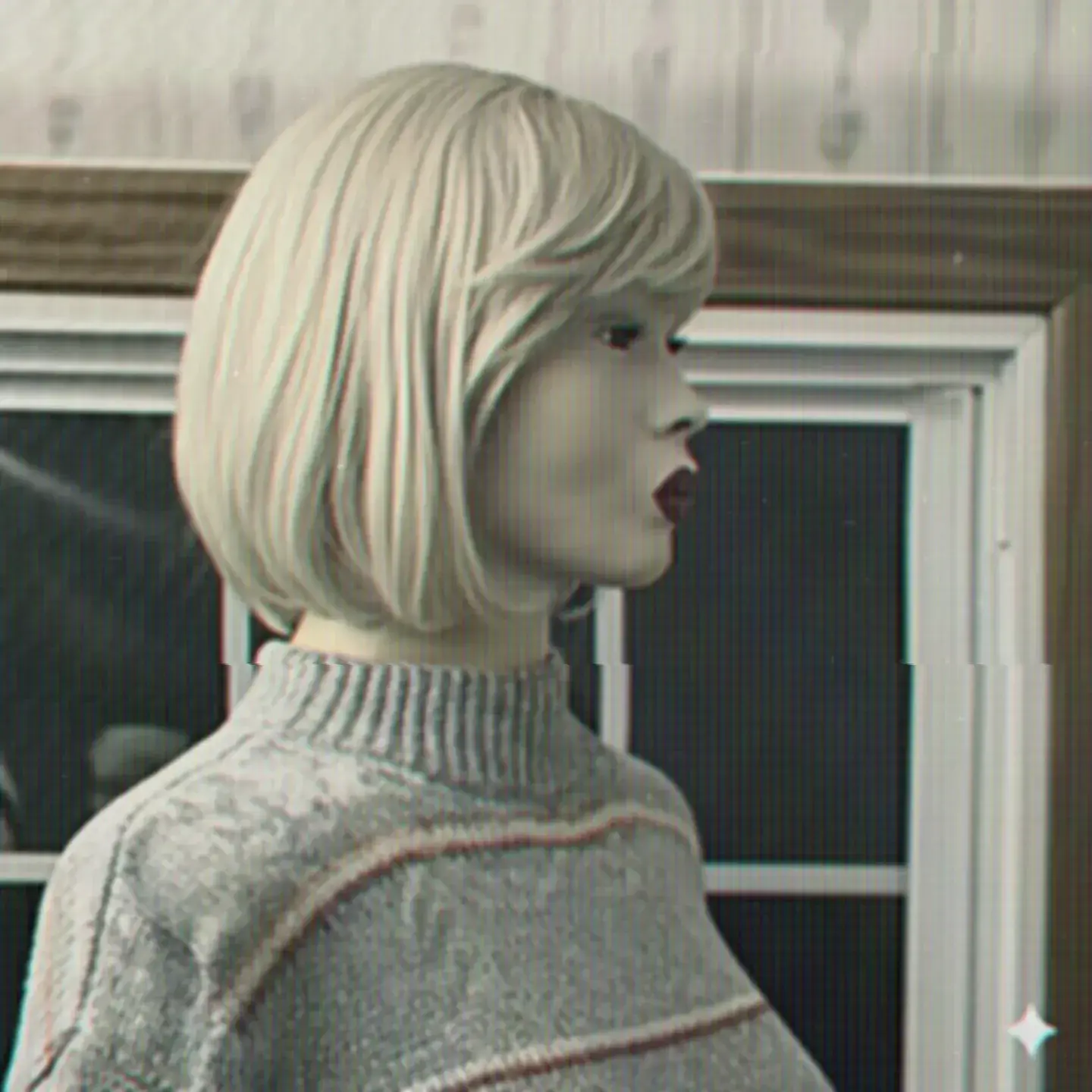
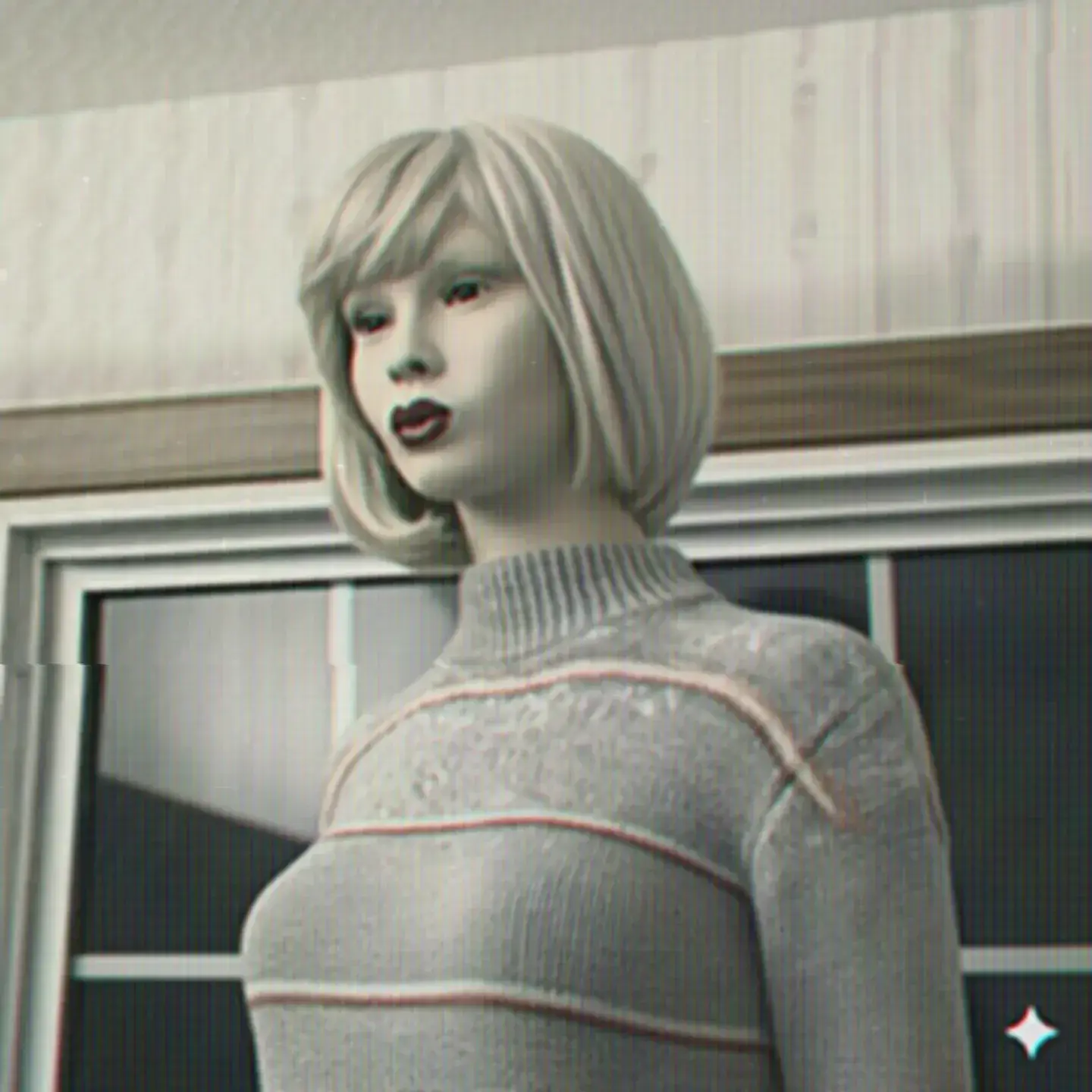
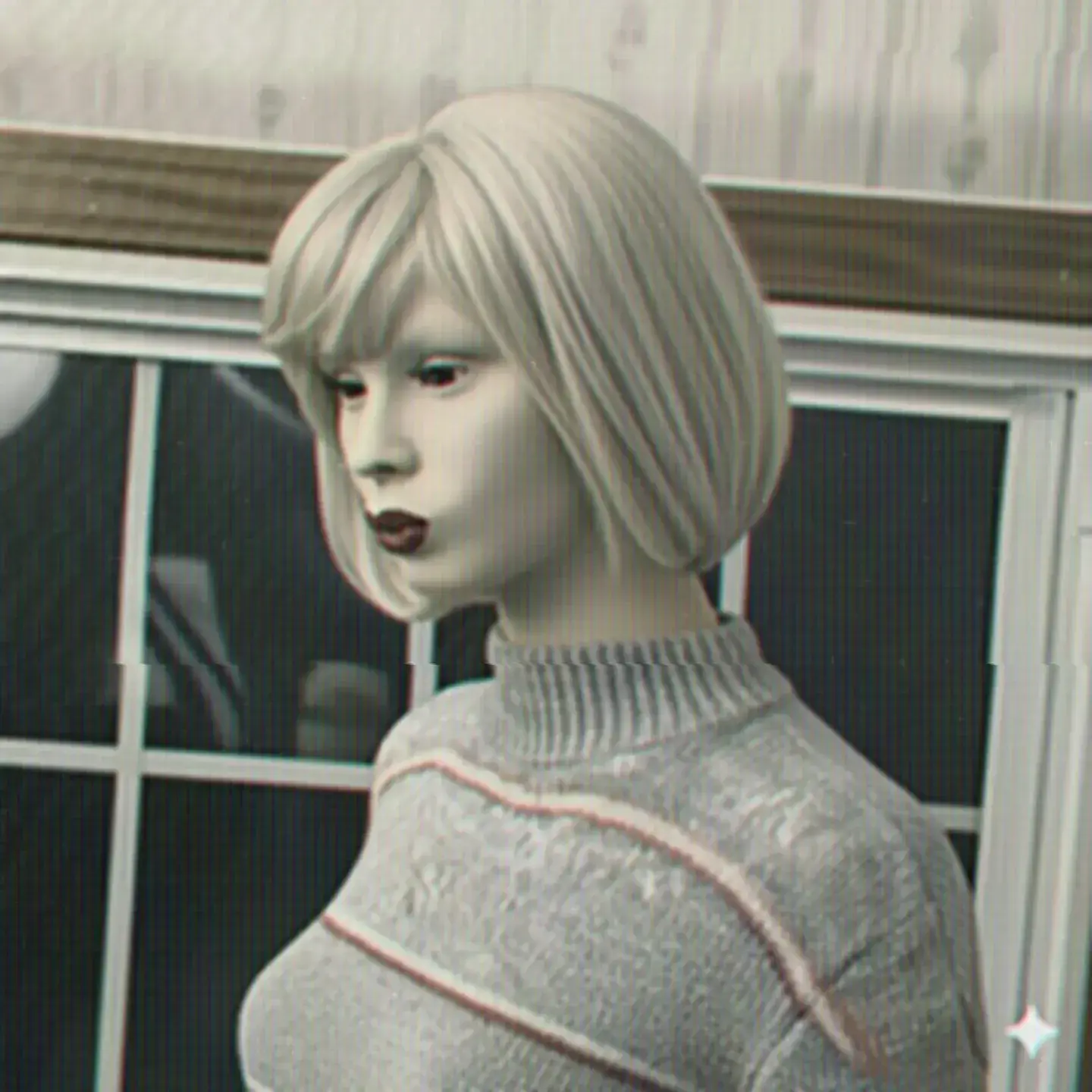
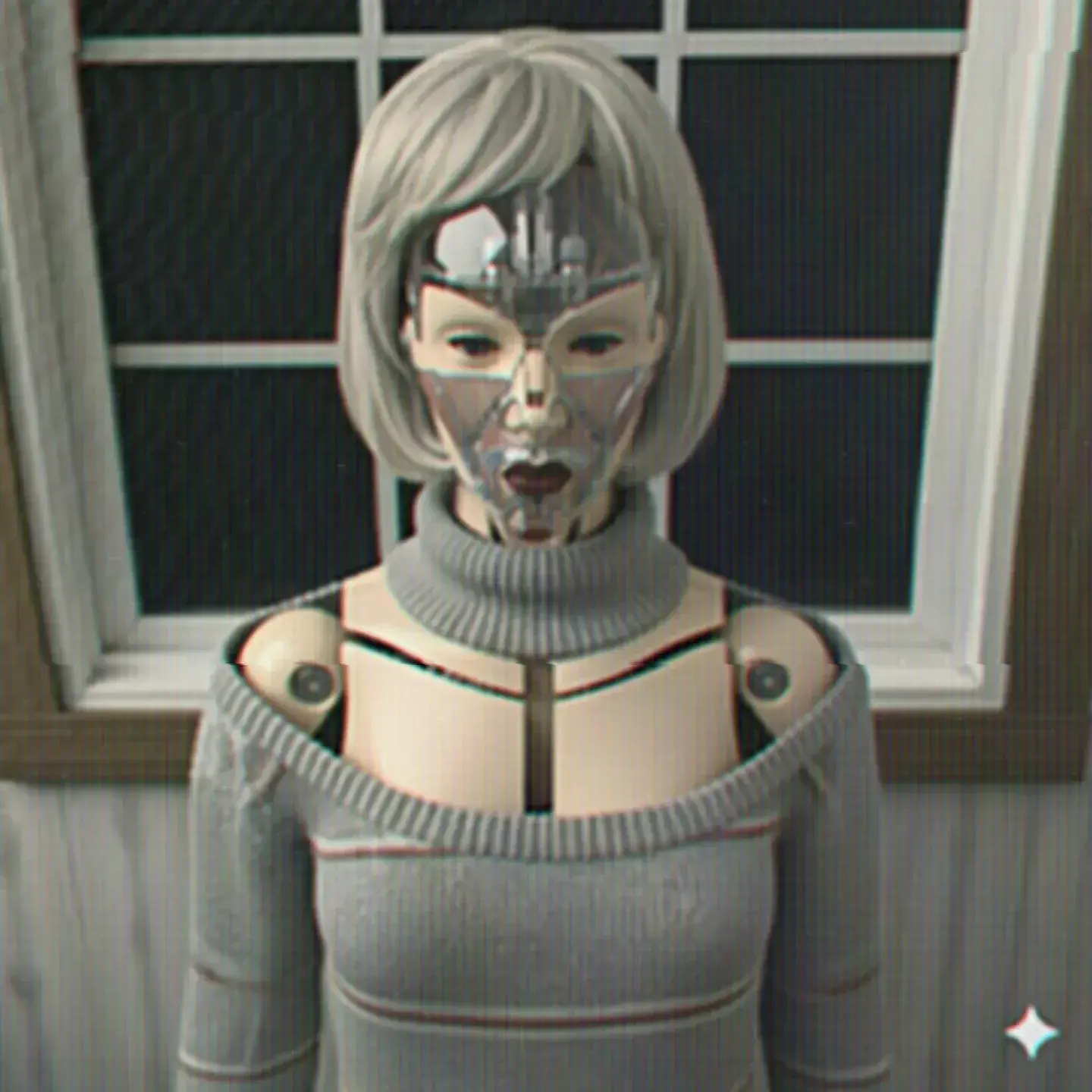
Tara the Android is a singing animatronic created by John Bergeron in the early 2000s as "the world's first android pop star." Built with a metal skeleton and synthetic rubber skin, she was designed to perform music videos and eventually tour live. Her most famous video, originally titled "Please" but later known as "I Feel Fantastic," became an internet phenomenon in 2009, spawning countless conspiracy theories and cementing her place in internet folklore.
Gallery



Creation and Development
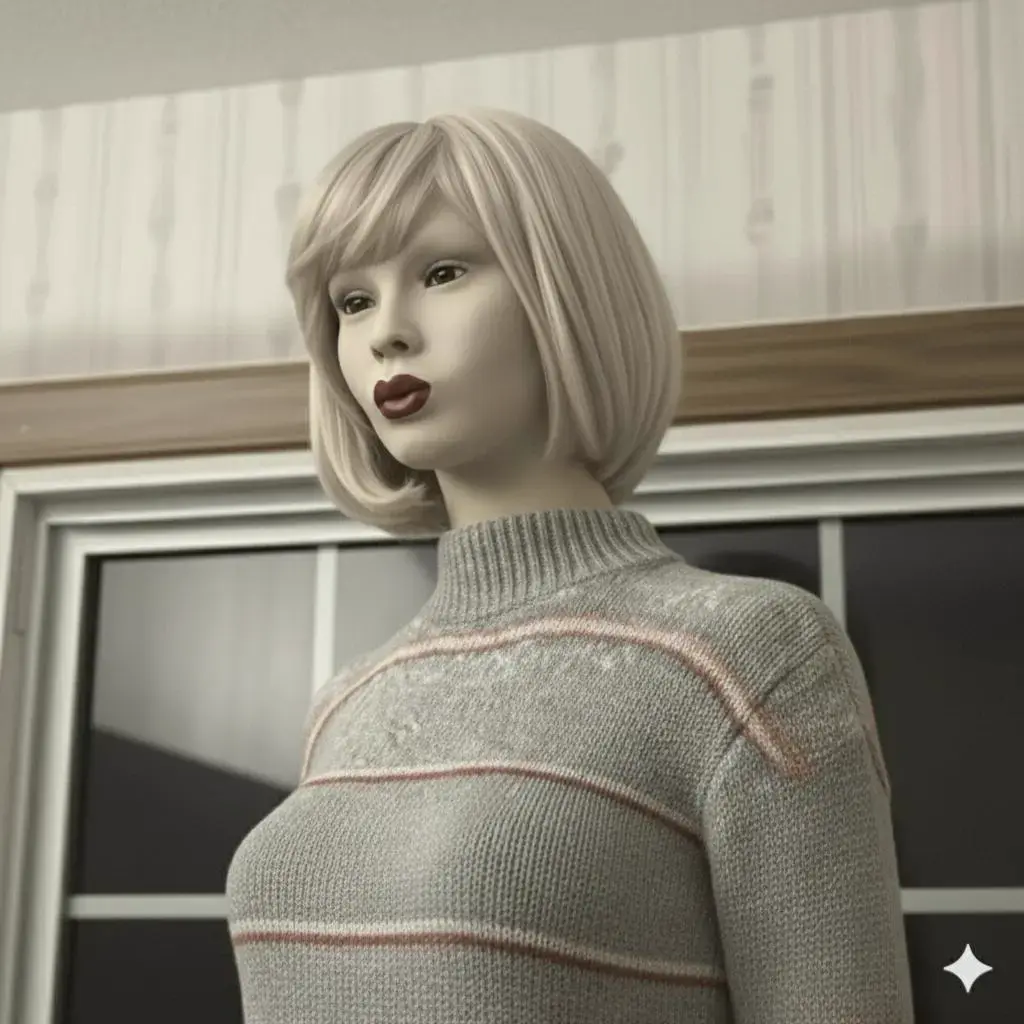
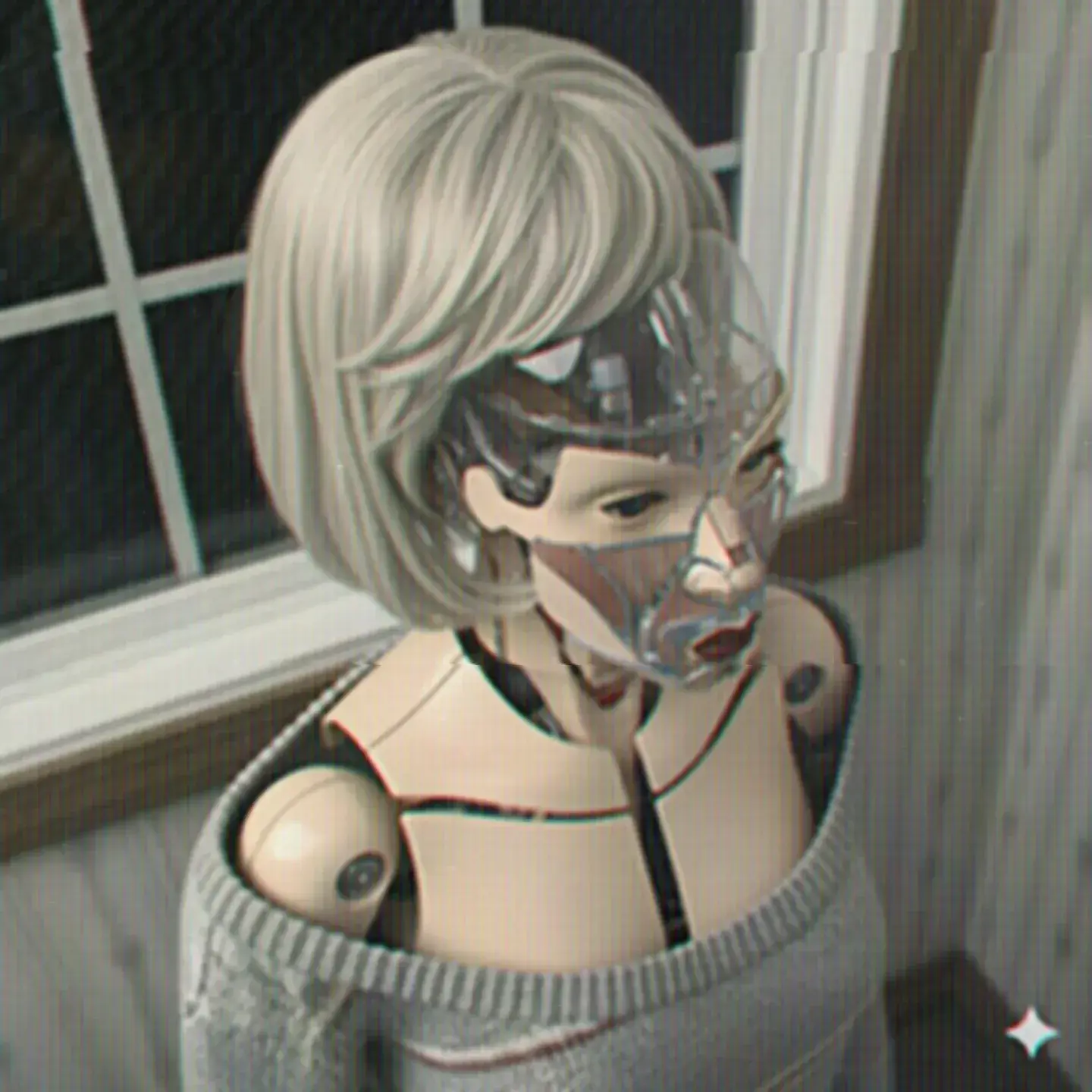
Tara the Android was the brainchild of John Bergeron, an android enthusiast who invested approximately $2,000 in materials to build her. Standing 5 feet 10 inches tall, Tara featured a metal frame skeleton covered in synthetic rubber "skin," giving her a humanoid appearance that would later contribute to the uncanny valley effect that made her famous.
Bergeron's vision was ambitious: he wanted to create "the world's first android music star" and planned to take Tara on the road for live performances. The android was designed to move her arms, turn her head from side to side, and "sing" pre-recorded songs while wearing various wigs and women's clothing. Bergeron's ultimate goal was to revolutionize the music industry with an entirely robotic performer.
Technical Specifications
Tara's construction represented early 2000s animatronic technology at its most ambitious:
- Structure: Metal skeleton frame for durability and movement
- Exterior: Synthetic rubber skin to simulate human appearance
- Movement: Articulated arms and head capable of basic motion
- Vocalization: Pre-recorded songs and phrases
- Height: 5' 10" (178 cm) - human-proportioned
- Cost: Approximately $2,000 in materials (2004)
The android's design was a product of its time - advanced enough to be impressive, but primitive enough to fall squarely into the "uncanny valley," a phenomenon where human-like entities that aren't quite perfect create feelings of unease and revulsion in observers.
Android Music Videos Vol. 1
In 2004-2005, Bergeron released "Android Music Videos Vol. 1," a DVD compilation featuring Tara performing five different songs. The full DVD runs approximately 15 minutes and includes:
- "Electricity (Metal Version)"
- "Brutal Metal"
- "Please" (later became "I Feel Fantastic")
- "Electricity"
- "Brutal1"
The DVD was sold through Bergeron's website AndroidWorld.com and represented the culmination of his work with Tara. Each video featured the android in different clothing and wigs, performing against various backgrounds with simple camera work and minimal production value.
The Viral Sensation
Tara's journey to internet fame began in 2009 when her video "Please" was re-uploaded to YouTube by user Creepyblog under the title "I Feel Fantastic" with no context or explanation. The video quickly went viral, accumulating millions of views and becoming one of the earliest examples of internet horror content.
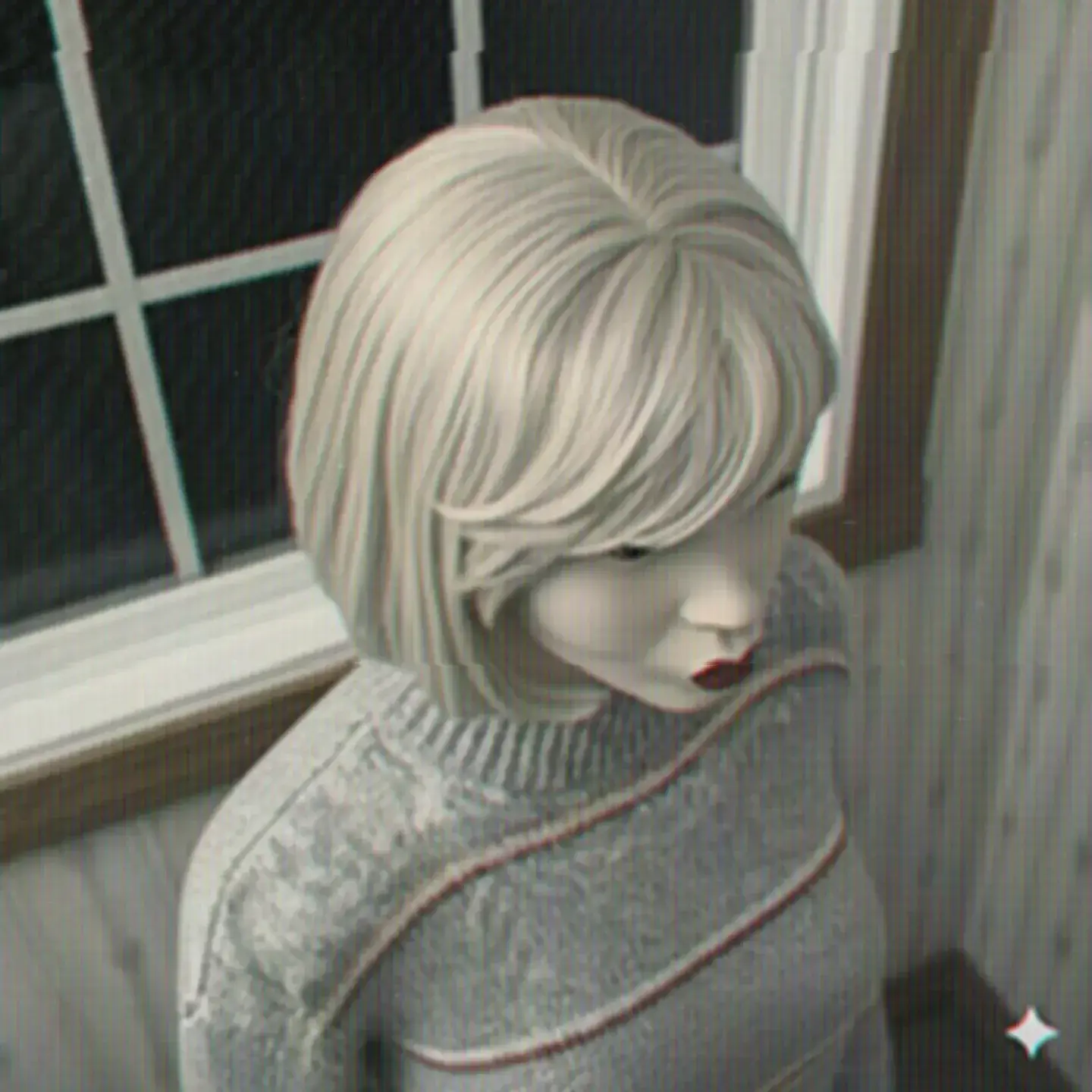
The video features Tara in a domestic setting, jerking her arms and turning her head while singing "I feel fantastic, hey hey hey" and "run run run" over an arpeggiating synth line. The unsettling nature of the android's movements, combined with the abrupt cuts to a backyard scene and Tara's later repetition of "Please leave" followed by "Run, run, run, run..." created an atmosphere of dread that captivated and terrified viewers.
What made the video particularly compelling was its complete lack of context. Viewers had no idea who created it, why it was made, or what its purpose was, leading to widespread speculation and the birth of numerous conspiracy theories.
Internet Folklore and Conspiracy Theories
The mystery surrounding "I Feel Fantastic" spawned numerous conspiracy theories that became part of internet folklore:
The Serial Killer Theory: The most popular theory suggested that John Bergeron was a serial killer and that Tara wore clothing belonging to his victims. The backyard scenes in the video were interpreted as possible burial sites, and Tara's movements and phrases were seen as coded messages or confessions.
The Captive Woman Theory: Some believed Tara was not a robot at all, but rather a real woman being forced to perform against her will, possibly under the influence of drugs or threats.
The Government Experiment Theory: Others speculated that Tara was part of a secret government project or psychological experiment, with the video intentionally leaked to test public reaction or send coded messages.
The ARG Theory: Many viewers believed the video was part of an Alternate Reality Game (ARG) or viral marketing campaign for a horror film or video game.
These theories persisted for years, fueled by the video's unsettling nature and the complete silence from Bergeron after 2006.
The Truth Revealed
Over time, internet detectives managed to uncover the truth behind Tara the Android:
Through investigation of Bergeron's original websites (AndroidWorld.com and AndroidMusicVideos.com, archived through the Wayback Machine), researchers discovered that Tara was indeed exactly what she appeared to be - an animatronic robot created by an enthusiastic hobbyist, not a serial killer or government experiment.
Bergeron's websites revealed his genuine passion for robotics and his dream of creating an android pop star. The various "disturbing" elements in the videos were simply the result of limited technology, amateur production values, and the inherent creepiness of early 2000s animatronics falling into the uncanny valley.
The "I Feel Fantastic" video was originally titled "Please" and was just one of five performances created for the DVD. The viral version was uploaded without permission or context by a third party, which contributed to the mystery surrounding it.
Psychological Impact and Uncanny Valley
Tara the Android's enduring impact can be largely attributed to the psychological phenomenon known as the "uncanny valley." This term describes the feeling of revulsion and unease that humans experience when encountering entities that look almost human but not quite right.
Tara embodies this phenomenon perfectly:
- Human-like appearance: Her humanoid shape, facial features, and clothing make her recognizable as human-like
- Non-human movement: Her jerky, robotic movements immediately break the illusion of humanity
- Audio dissonance: Her synthesized voice combined with human-like singing creates cognitive dissonance
- Contextual ambiguity: The domestic setting combined with her artificial nature creates unease
This combination of factors makes Tara particularly unsettling to human viewers, explaining why the video had such a strong psychological impact and became a staple of internet horror culture.
Cultural Impact and Legacy
Tara the Android has left an indelible mark on internet culture and beyond:
Internet Folklore: Tara became one of the earliest examples of internet horror content, predating many creepypastas and urban legends that would follow. She remains a reference point for discussions about internet mysteries and viral horror.
Film Influence: Director Jacob Gentry cited "I Feel Fantastic" as a major inspiration for his 2021 film "Broadcast Signal Intrusion," alongside the Max Headroom signal hijacking incident. The film explores similar themes of mysterious media and technological unease.
Academic Interest: Tara has been studied in contexts ranging from robotics and artificial intelligence to internet culture and psychology. She serves as a case study in the uncanny valley effect and the power of viral mystery content.
Music and Art: The video has influenced musicians and artists working in genres like witch house, vaporwave, and other internet-born musical movements that embrace technological unease and nostalgia.
Recent Appearances
In 2024, Tara the Android made a significant cameo appearance in the season 2 episode "Erm, the Boss Finds Love?" of the popular animated series "Smiling Friends." In the episode, Tara appears in Charlie's apartment, where she greets Allan with the phrase "Hello handsome." Later in the episode, she jump-scares Allan, demonstrating her enduring status as an internet horror icon.
The appearance was voiced by Erica Lindbeck and served as a loving reference to internet culture, showing how Tara had transcended her origins as a mysterious viral video to become a recognized character in popular culture.
Current Status
John Bergeron has not made any public updates about Tara or his robotics projects since 2006. The original Tara android's current whereabouts are unknown, though various replicas and tributes have been created by fans over the years.
The original "Android Music Videos Vol. 1" DVD has become a collector's item, with copies occasionally surfacing online. In 2015, a Russian YouTube user named Brand-Smetana uploaded what they claimed was the complete 15-minute DVD version, introducing Tara to a new generation of internet users.
Despite the mystery being solved, Tara the Android continues to fascinate and unsettle viewers, proving that sometimes the truth is stranger than fiction - and that early 2000s animatronics can be just as scary as any conspiracy theory.